Space-Flight Autonomous Leading CONcepts (Space-FALCON) Lab

Research

Our research focuses on mission-level autonomy for spacecraft and constellations operating under uncertainty. We study how autonomous systems perceive their environment, make decisions onboard, exploit environmental dynamics, and remain aligned with human mission intent. Our central question is how to define, design, and validate mission capabilities in adaptive space systems. We approach it through three connected thrusts: capability-centered mission design, trusted autonomous decision-making, and environmental dynamics as a source of control authority, with SpaceAGORA serving as the lab’s core platform for high-fidelity evaluation.

Research Thrusts

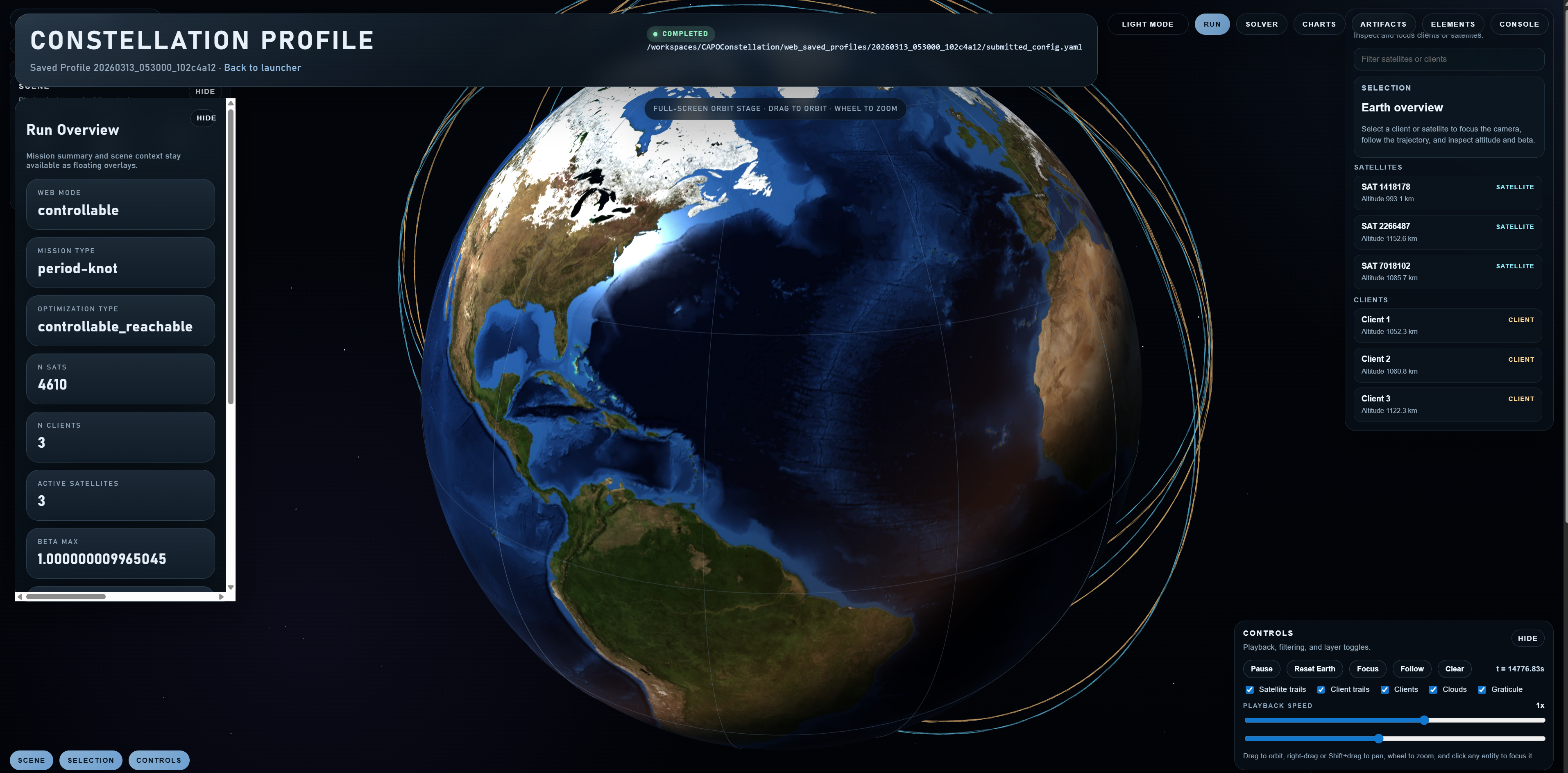
Constellation mission visualization

Mission Capabilities for Adaptive Space Systems

We study how to define and evaluate what adaptive missions can do as spacecraft and constellations respond to changing conditions. Our work includes capability models for resilience, responsiveness, coordination, and coverage; mission design and optimization under uncertainty and limited resources; and graceful degradation as missions adapt.
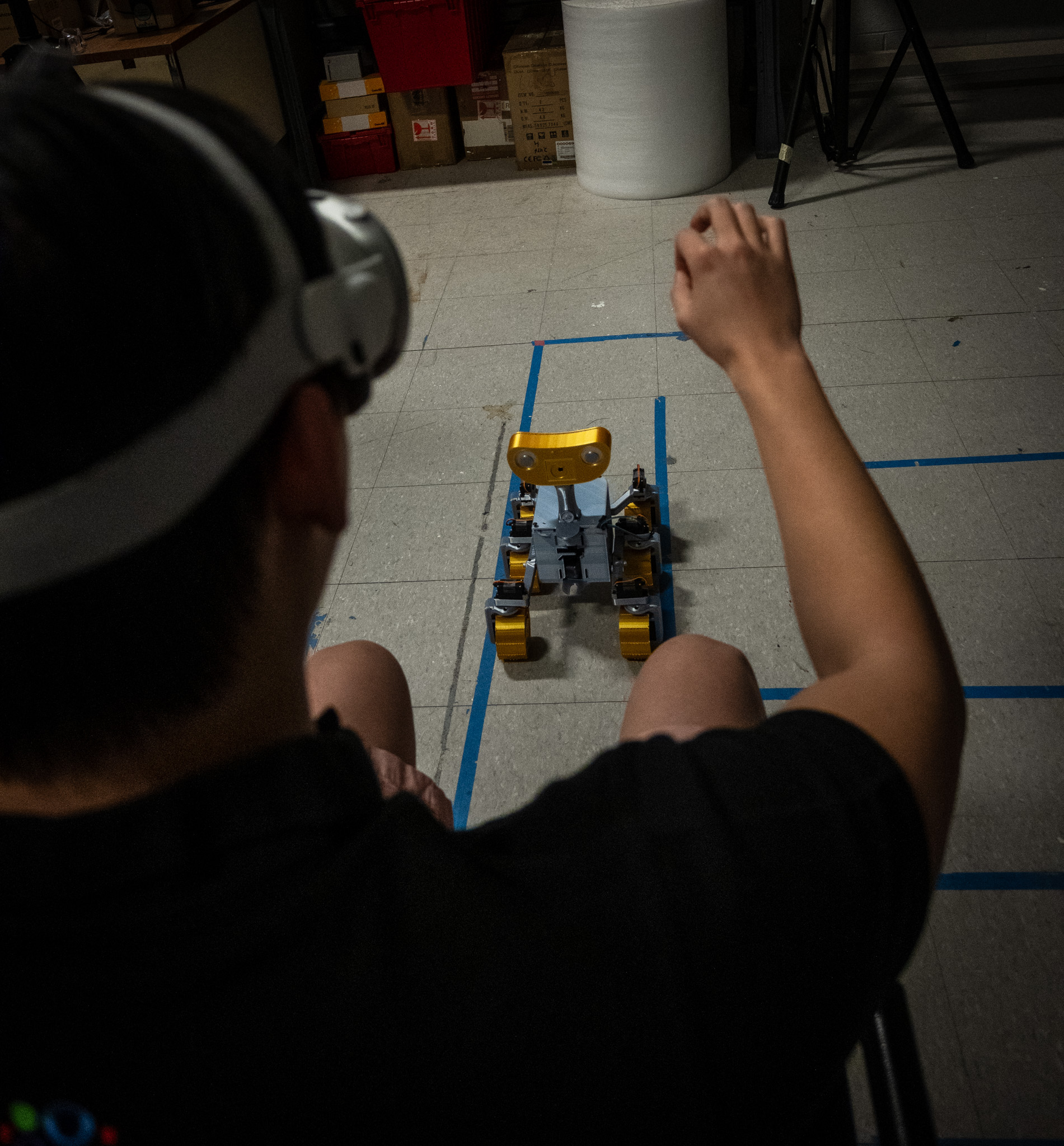
Researcher operating a rover in an extended-reality environment

Trusted and Interpretable Space Autonomy

We build onboard autonomy that can act under uncertainty while remaining legible to human operators. Our work spans interpretable decision-making and onboard adaptation, operator constraints and priorities, mission-level decision support, and learning-enabled autonomy for dynamic mission operations.

Spacecraft trajectory and environmental dynamics visualization

Environmental Dynamics and Resource-Aware Control

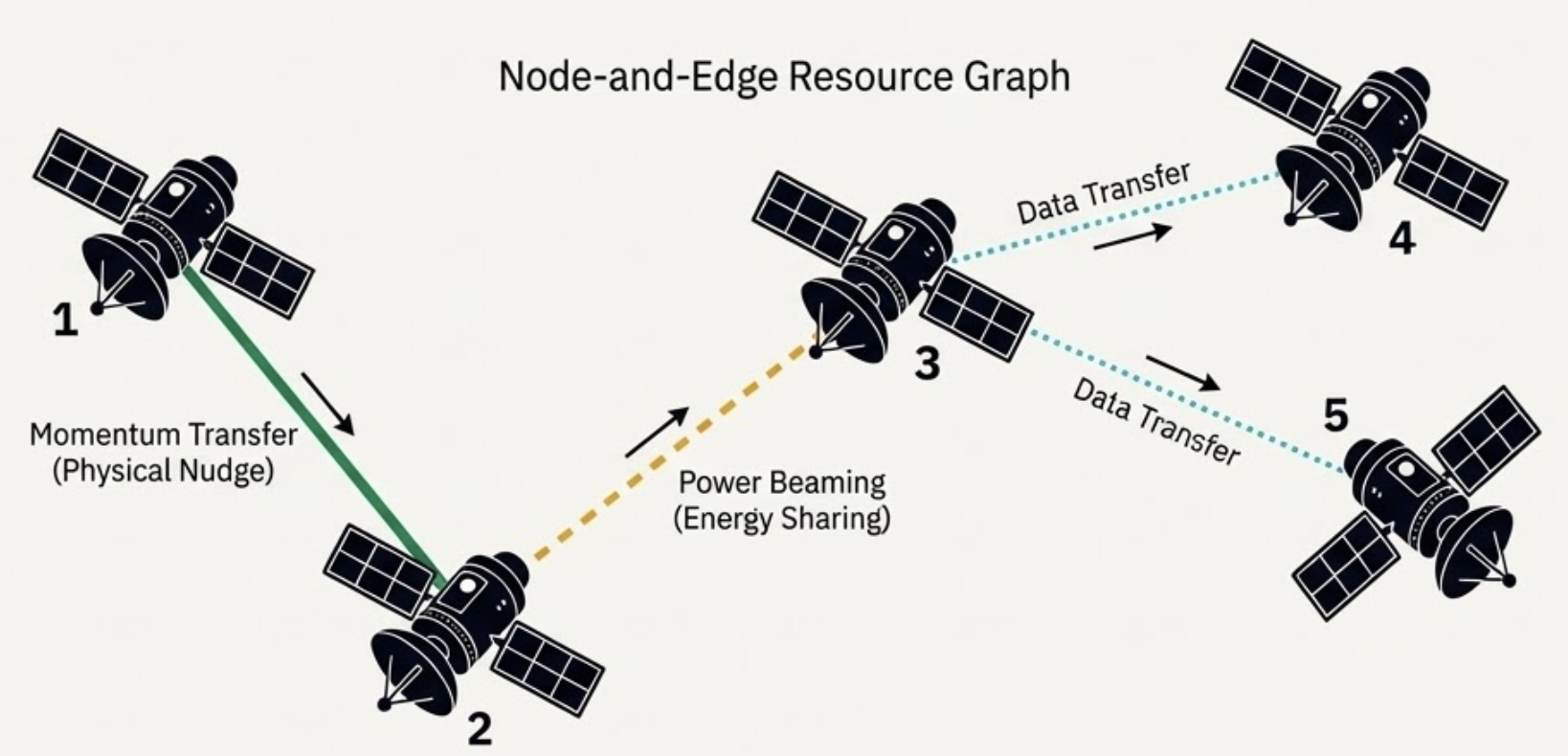
We use perturbation-aware guidance and control to treat weak forces and environmental structure as part of mission execution. Our work includes differential drag, aerobraking, laser momentum-sharing architectures, and weak-force maneuvering; guidance, navigation, and control for constrained spacecraft; and MPC and resource-aware control for rendezvous and adaptive operations.

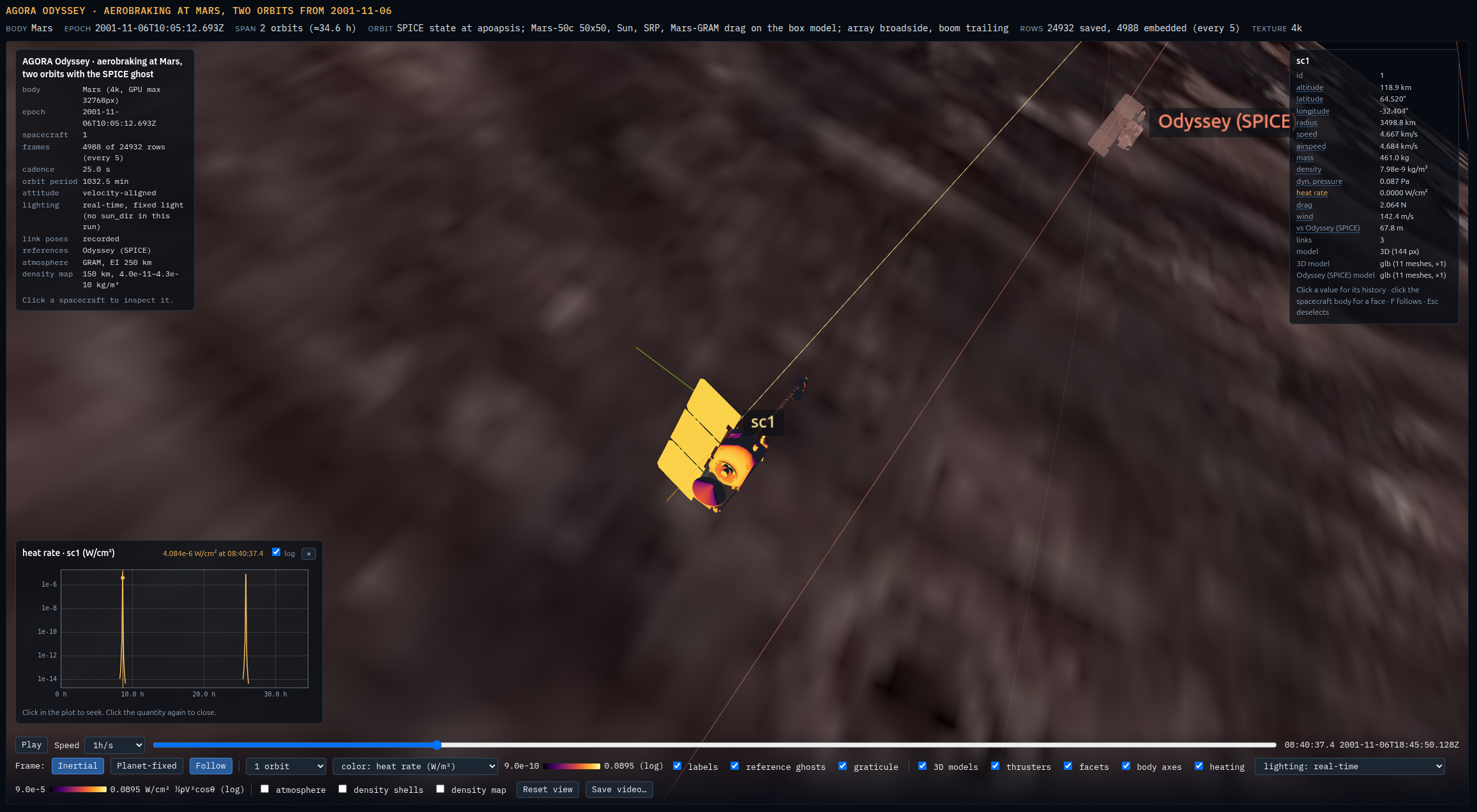
SpaceAGORA Odyssey aerobraking simulation at Mars

SpaceAGORA

SpaceAGORA is the high-fidelity environment where we test mission dynamics, autonomy, and mission behavior before systems fly. It supports orbital and attitude dynamics in Julia, multi-agent and constellation simulation, and mission analysis, verification, and comparative evaluation.

Representative Problems

See how these thrusts come together in concrete mission settings, current studies, and applied projects.

View Projects